

How to Set Up Mesh WiFi: Eliminate Dead Zones Forever
If you've ever stood in a specific corner of your house just to get a decent WiFi signal, you know the frustration of dead zones. Traditional routers...
22 articles
If you've ever stood in a specific corner of your house just to get a decent WiFi signal, you know the frustration of dead zones. Traditional routers...

The networking aisle is confusing. Traditional routers, mesh systems, range extenders—they all promise better WiFi, but which one do you actually need?

That one room where WiFi goes to die. The backyard where streaming buffers endlessly. The home office that's just far enough from the router to be frustrating.

WiFi 6 (802.11ax) isn't just marketing hype—it's a genuine leap forward in wireless networking. If you're still running an older router and wondering why...

WiFi smart bulbs are convenient, but every bulb on your network is another device competing for bandwidth. Add 15-20 bulbs and your router starts to struggle. Zigbee smart bulbs solve this by running on a separate low-power mesh network that doesn't touch your WiFi.

You lost the remote. Or the batteries died. Or the IR sensor is broken. Whatever the reason, you're staring at a smart TV that won't connect to WiFi because you can't navigate the settings menu.
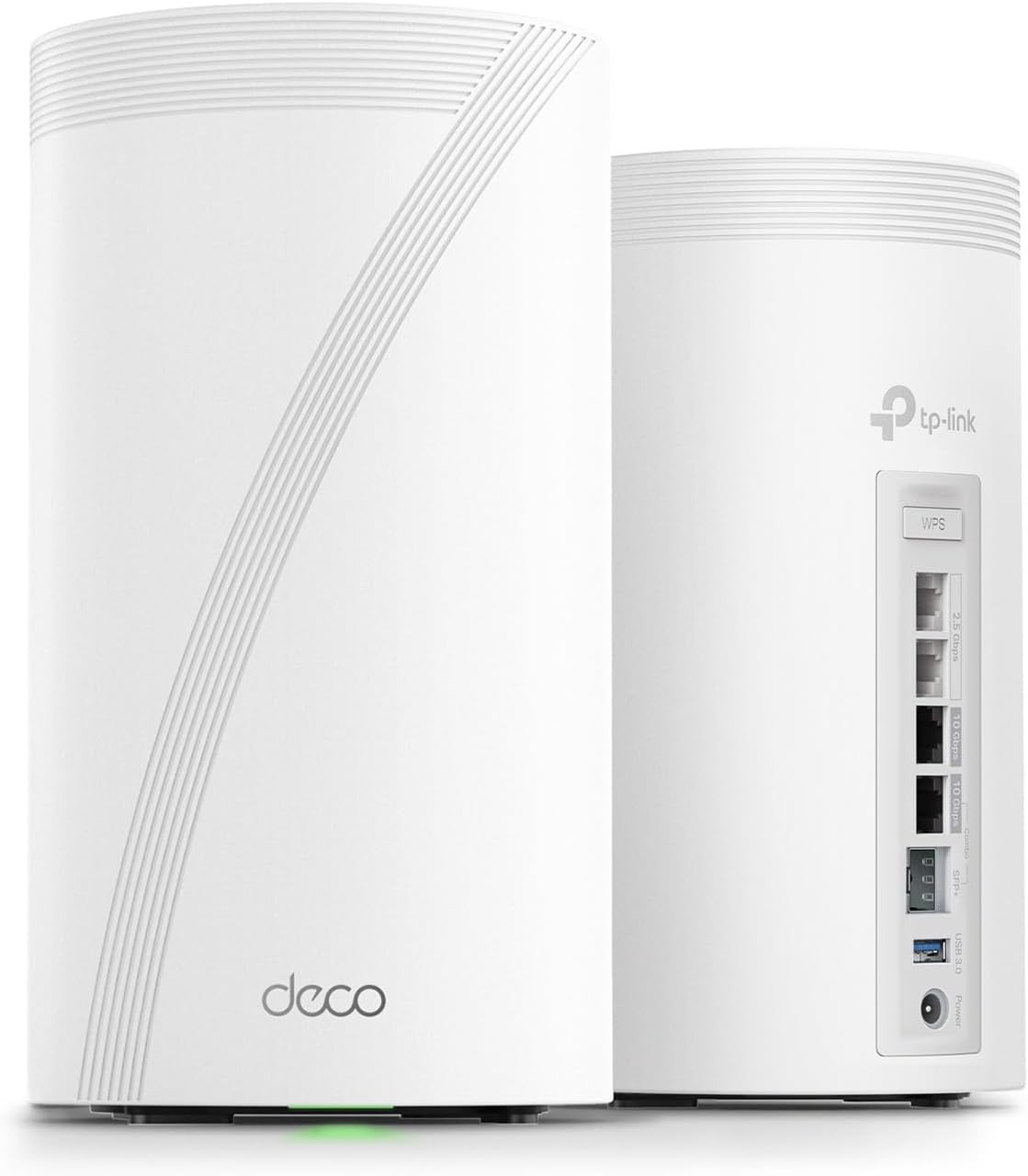
Thick walls kill WiFi. Concrete, brick, stone, plaster with metal lath—these materials absorb and reflect wireless signals like nothing else. If you live in an older Canadian home with plaster walls, a concrete basement, or a brick heritage building, you know the frustration. Full bars in the liv...

Every smart home device connects through some wireless protocol. The two most common are WiFi and Zigbee—and they take fundamentally different approaches to keeping your home connected.
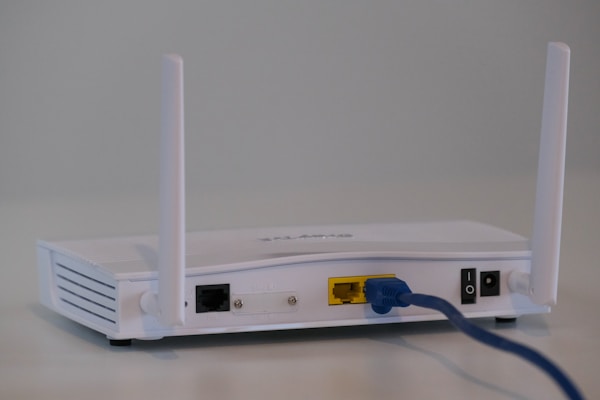
The router your ISP gave you is probably terrible. Bell, Rogers, Telus, and Shaw all provide routers with their internet plans, but these ISP-provided units are designed to be cheap, not good. They overheat, drop connections, have limited range, and lack features that even budget third-party rout...
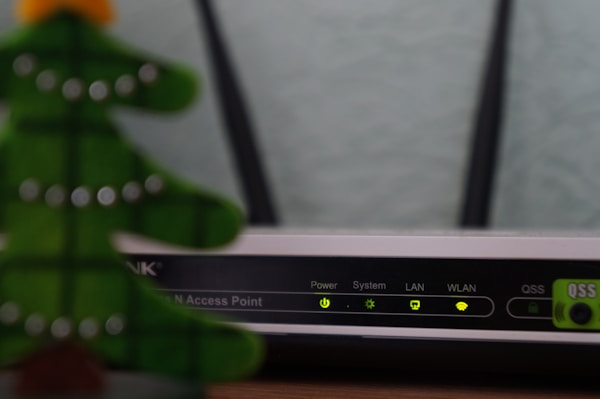
If you live in a large Canadian home—and many of us do—you know the frustration. WiFi works great in the living room, decent in the kitchen, and completely dies in the basement or upstairs bedroom. You're paying Bell, Rogers, or Telus $100+ per month for fast internet, but your router can't push ...