
Morning coffee culture splits into camps. Some people enjoy the ritual — grinding, pouring, timing, watching bloom. Others want excellent coffee in the time it takes toast to pop. Pour-over rewards patience. French press rewards tolerance for sediment. Pod machines reward speed with cups that tas...
Morning coffee culture splits into camps. Some people enjoy the ritual — grinding, pouring, timing, watching bloom. Others want excellent coffee in the time it takes toast to pop. Pour-over rewards patience. French press rewards tolerance for sediment. Pod machines reward speed with cups that taste like compromise.
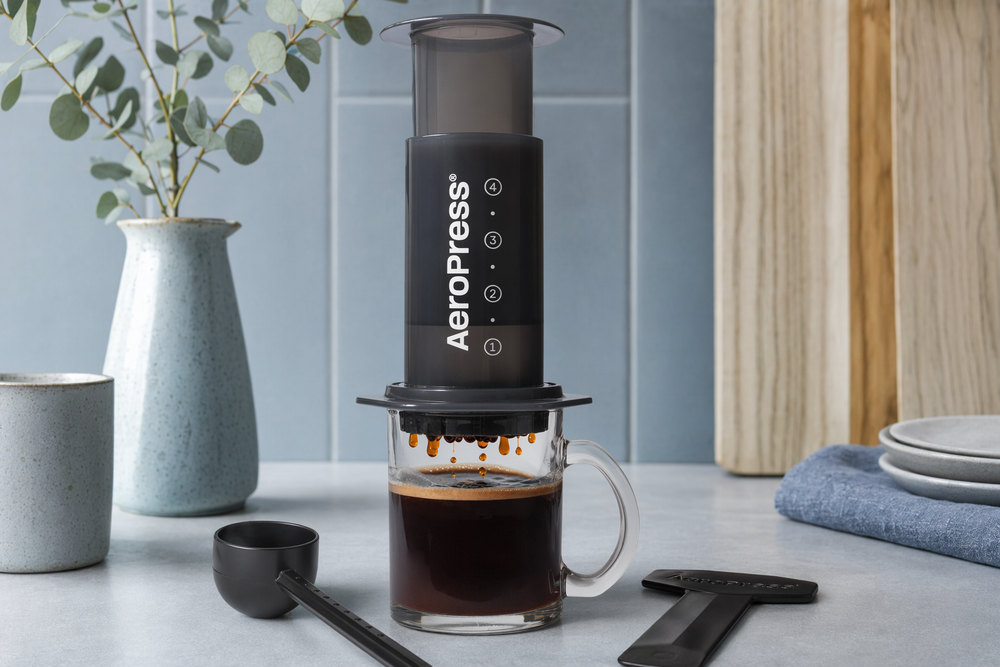
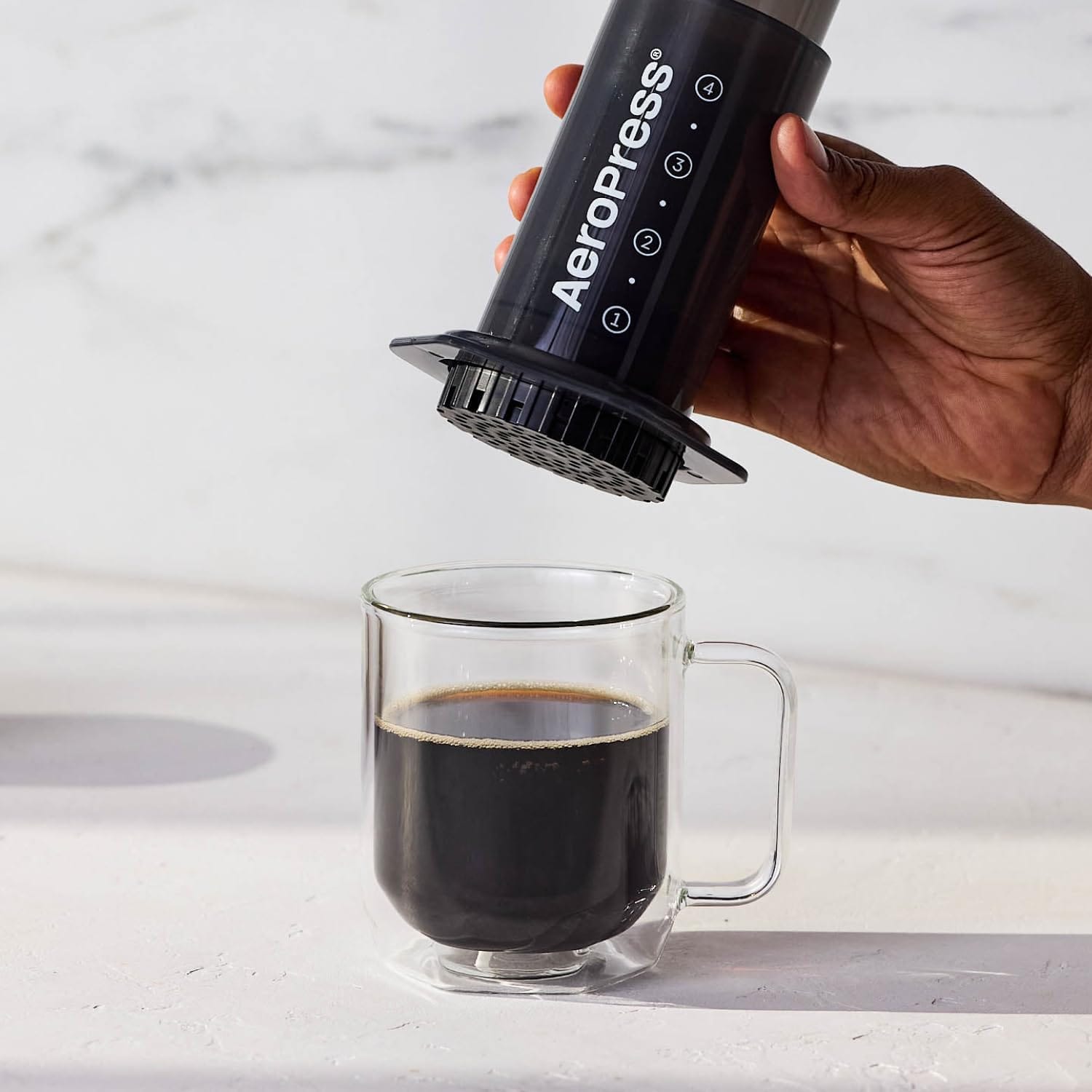
The AeroPress Original occupies a third lane. It is a manual press that forces water through coffee grounds at low pressure — not true espresso, despite the packaging — in about two minutes, with cleanup that takes seconds. Invented by Aerobie frisbee designer Alan Adler, it has become the default recommendation for travellers, office desks, and small kitchens from Vancouver to St. John’s. Not because it is fancy. Because it works.

The snapshot
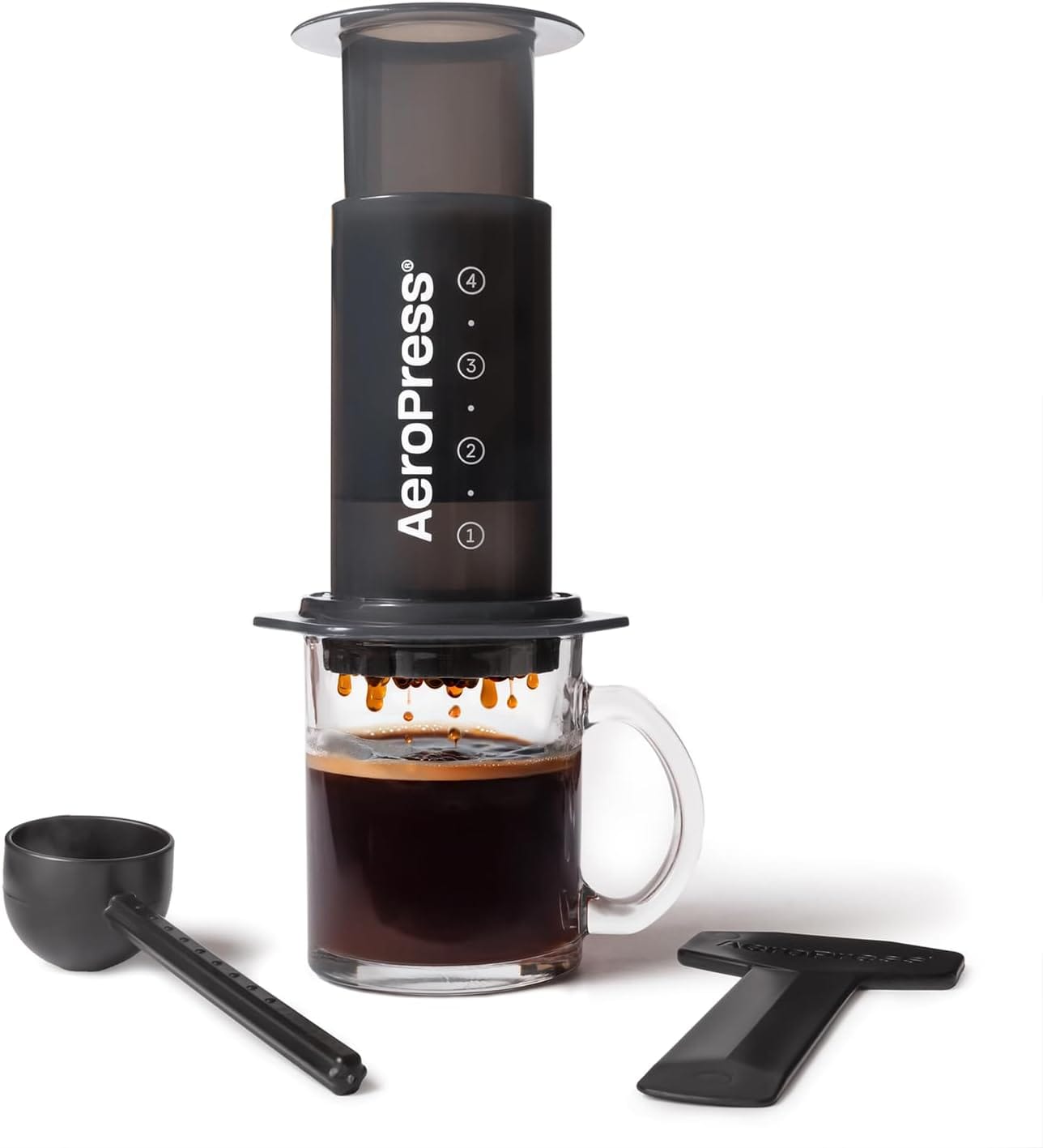
| AeroPress Original | |
|---|---|
| What it is | Manual immersion + pressure brewer for one concentrated cup |
| Capacity | ~250 ml chamber; typical drink is diluted concentrate |
| Brew time | ~2 minutes active; faster than pour-over, cleaner than French press |
| Pressure | Hand-pressed — not 9-bar espresso; rich, low-bitterness concentrate |
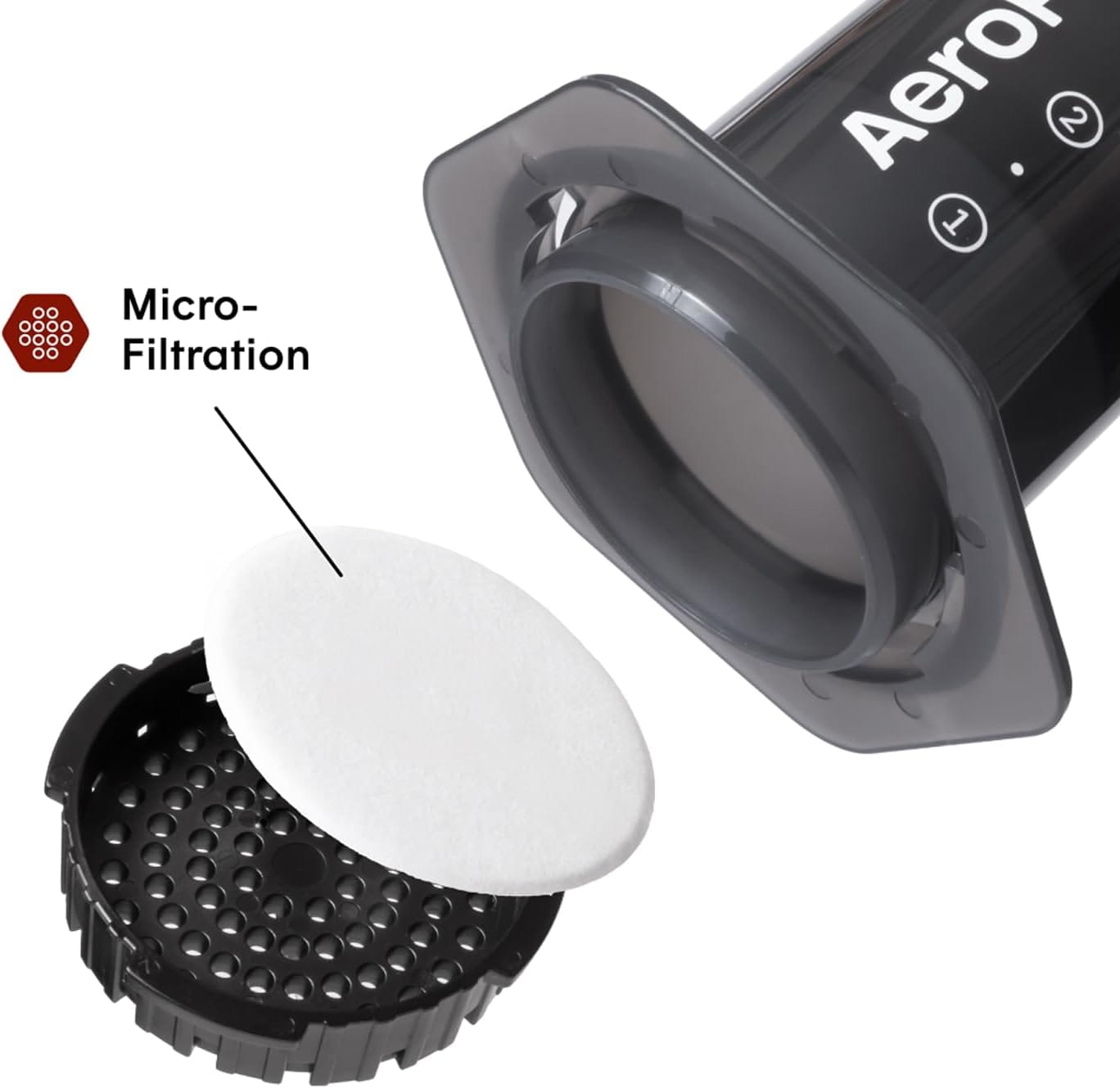
| Filters | Paper micro-filters included — no grit in cup |
| Material | BPA-free polypropylene; made in USA |
| Real price (CAD) | ~$55 on Amazon.ca (often ~$40–55 on sale; Black Friday dips lower) |
What buyers on Amazon are saying
The AeroPress Original holds 4.5 stars on Amazon.ca with over twenty-four thousand ratings — rare volume for a coffee gadget, and the themes are remarkably consistent. Amazon’s review summary mirrors what Canadian owners write in detail.
Coffee quality dominates positive mentions by a wide margin. Reviewers describe smooth, rich cups with less bitterness than French press or drip — “best coffee I’ve made at home,” “café Americano every morning,” “converted from Keurig.” The concentrate-and-dilute method gets credit for flexibility: strong like espresso-style, or lengthened with hot water for an Americano.
Ease of use and cleanup rank nearly as high. The plunger operation is dead simple once you learn the basic steps. Cleanup is rinse-and-push — paper filter ejects with the puck. Hundreds of reviews contrast this with French press scrubbing or pour-over fuss.
Portability and speed matter to travellers and office workers. Campers, hotel dwellers, and WFH desk workers mention tossing it in a bag with grounds and filters — only hot water required.
The honest friction:
- “Espresso” expectations — A recurring caveat in smart reviews: this is not café espresso. No crema from nine bars. Concentrated, yes; identical to a $2,000 machine, no. Misleading packaging frustrate purists.
- Learning curve — A minority find first attempts weak or finicky until grind size and water temperature click. Inverted versus standard method debates confuse newcomers briefly.
- Durability of rubber seal — Most owners report years of use; some mention the plunger seal eventually needing replacement — cheap parts, periodic maintenance.
- Redundancy — Owners who already love a $5 pour-over cone sometimes say they did not need this. Different tool, overlapping job.
Shape of opinion: people who wanted fast, clean, portable single cups tend to become evangelists; people chasing true espresso tend to keep looking — or buy a real machine.
What it's actually trying to do
Espresso machines force hot water through fine grounds at high pressure quickly. French press steeps coarse grounds then filters loosely. Pour-over passes water through a bed with gravity alone.
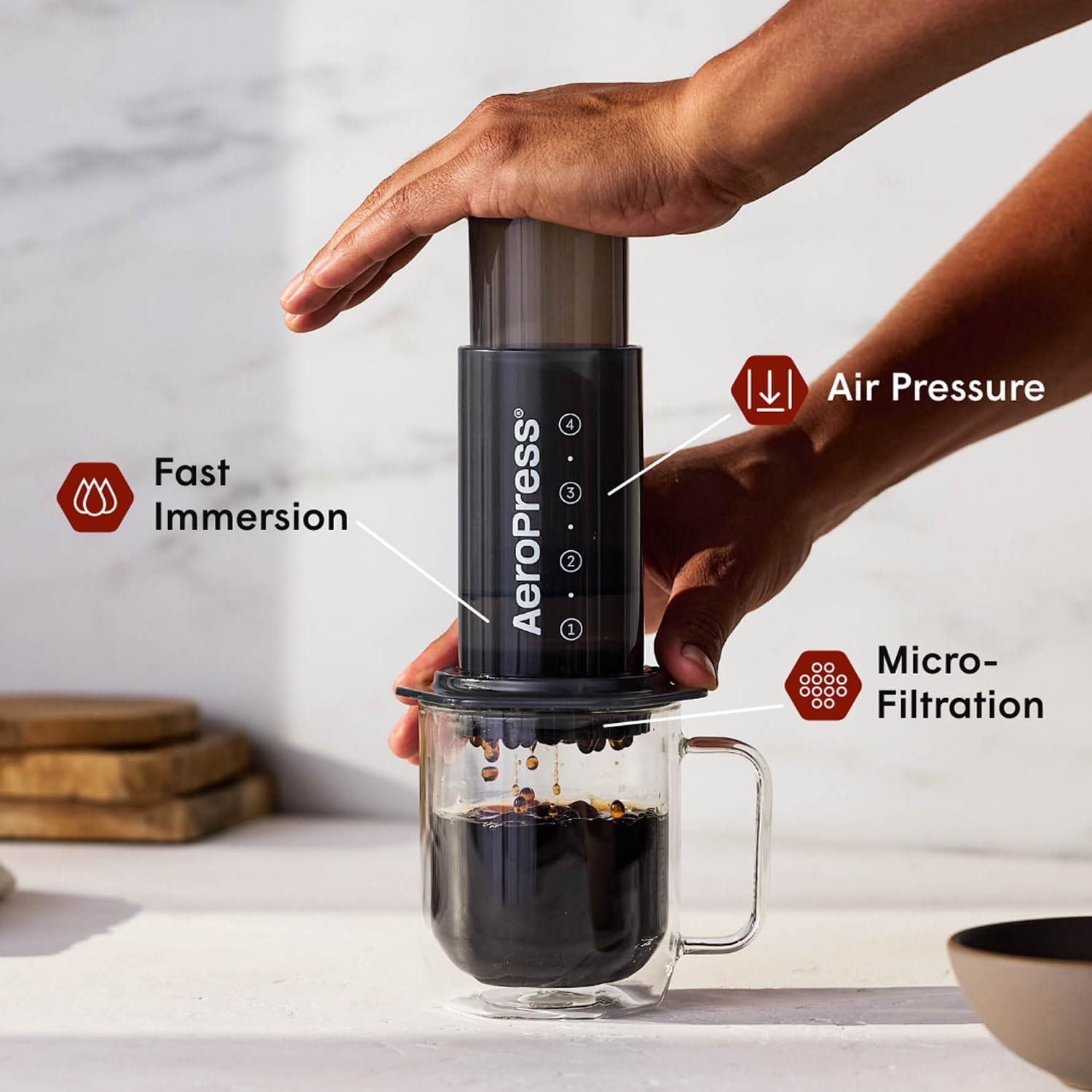
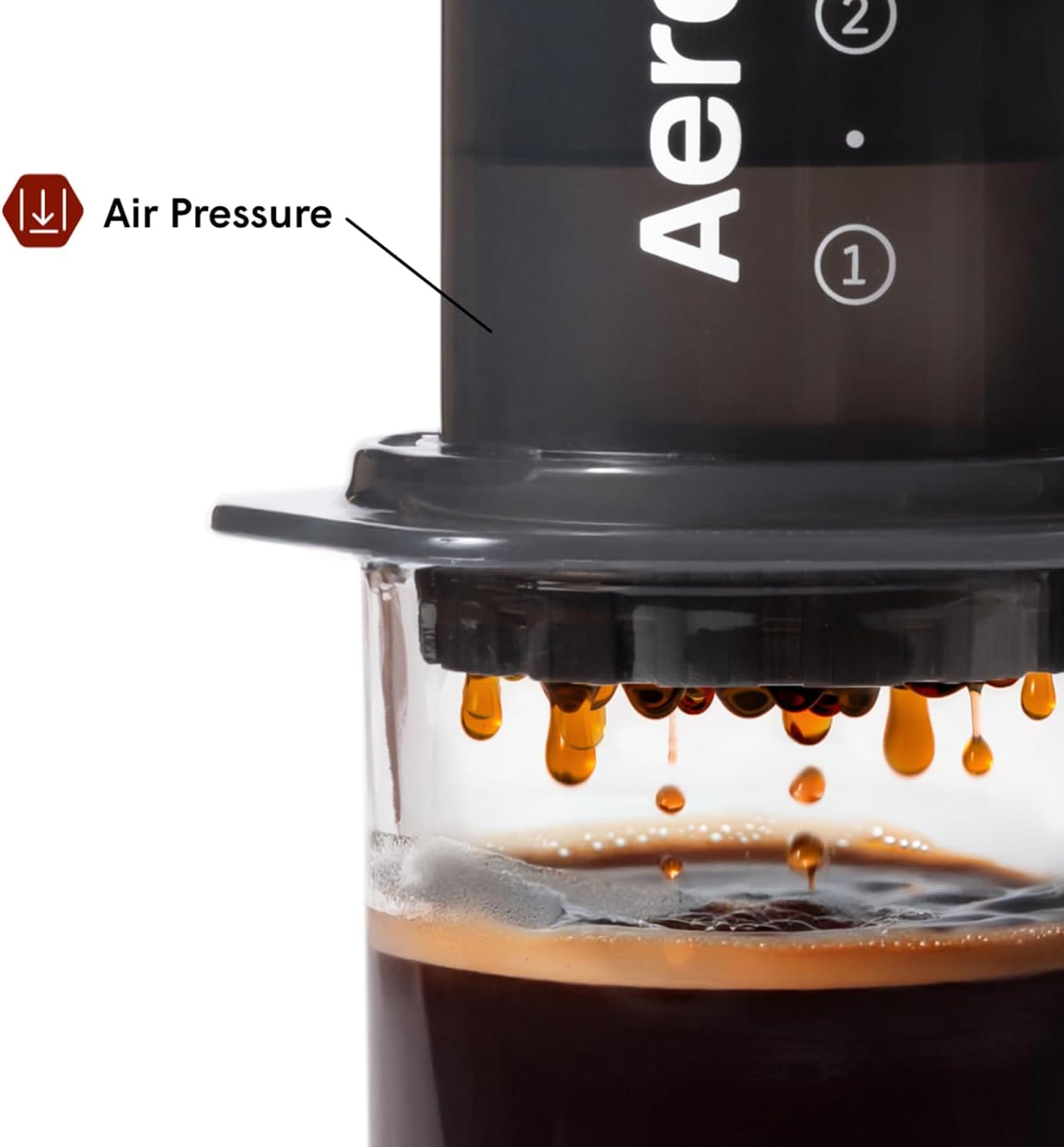
AeroPress hybridizes: grounds steep briefly in water, then a plunger forces the brew through a paper filter under hand pressure. Lower pressure than espresso — gentler extraction, fewer bitter compounds, virtually no sediment. Faster than pour-over — no spiral pours. Cleaner than French press — paper catches fines.
The result is a concentrate you drink straight or dilute. That flexibility is the design — one device, multiple styles, one mug.
Grind, temperature, and the first weak cup
Most “it doesn’t work” stories trace to grind too coarse or water not hot enough. AeroPress wants medium-fine — finer than drip, coarser than true espresso. Water just off boil, then thirty seconds to settle, is the common recipe.
Canadian reviewers who dialed grind and temp report consistency within days. The inverted method — flipping the chamber during steep — reduces drip-through for beginners; purists debate it endlessly online. Either way works once you pick one.
Inverted method versus standard — pick one and commit
Standard: assemble on mug, add grounds and water, steep, press. Simple; a little water may drip before press.
Inverted: flip chamber on plunger, add water and grounds, steep, flip onto mug, press. Slightly more dexterity; less early drip.
Both camps claim superiority. For daily use, choose whichever feels safer at half-awake — consistency beats ideology.
Not espresso — and why that is okay
Amazon.ca reviews from experienced drinkers are candid: AeroPress makes an excellent concentrated coffee, not machine espresso. No thick crema. No 20-bar drama. Flavour can rival or beat many home espresso setups for smoothness — but the texture differs.
If your goal is latte art with nine bars of pressure, buy a machine. If your goal is a strong morning cup without counter clutter, AeroPress delivers what most buyers actually wanted once they adjusted expectations.
Office desks, hotel rooms, and the only-hot-water test
The Original’s footprint fits a cubicle drawer or carry-on side pocket. Canadian reviewers describe keeping grounds and filters in the chamber, adding hot water from a kettle in a hotel kitchenette, and producing a cup that beats lobby drip by a wide margin. Office workers mention escaping pod-machine mediocrity without claiming the break-room espresso machine. The constraint is always the same: you need water between 90–96°C and a mug. Everything else travels with you. That portability story is why the AeroPress outlasted trendier brewers — it asks little of the environment around it.
What it gets genuinely right
- Cup quality per dollar — among the strongest value propositions in coffee gear at ~$55 CAD.
- Speed — two-minute routine including cleanup beats most manual methods.
- Portability — lightweight, durable, hotel and trail friendly.
- Clean cups — paper filters eliminate French press grit.
- Low bitterness — pressure-plus-filter extraction suits light and medium roasts beautifully.
- Longevity — years of daily use appear constantly in Canadian reviews; seals are replaceable when needed.
Who should buy it — and who really shouldn't
This is your brewer if you're:
- Making one excellent cup at a time for yourself
- Travelling or working where only hot water is guaranteed
- Leaving pod machines or bitter drip behind on a modest budget
- Wanting minimal counter footprint in a condo kitchen
Walk away if you're:
- Serving groups — one cup at a time frustrates brunch hosts (look at AeroPress XL or batch brewers)
- Chasing true espresso texture and crema — wrong tool
- Already happy with a simple pour-over and not bothered by its pace
- Unwilling to buy filters — paper refills are part of life here
The decision, in three honest questions
- Do I mostly need one great cup, fast, for me alone? If yes, AeroPress is built for that. Batch mornings need a different answer.
- Am I okay with “concentrated coffee” instead of espresso? If yes, expectations align. If no, save for a real espresso machine.
- Will I adjust grind and water temp once? If yes, consistency follows. If you want zero learning, pods stay simpler — at a flavour cost.
A few questions worth answering
Do I need special coffee?
No — any beans you like, ground medium-fine. Fresh grind helps; pre-ground works with adjustment.
How long do filters last?
A pack lasts months for daily single-cup use. Metal reusable filters exist from third parties; paper remains the default recommendation for cleanest cups.
Is plastic safe with hot water?
AeroPress uses BPA-free polypropylene rated for brewing temperatures. Hot water contacts plastic briefly — a known trade-off versus glass; the design has a long safety track record.
Original versus Clear versus Go?
Original is the value pick. Clear uses Tritan for visibility. Go adds travel cup packaging. Same brewing concept; choose by form factor.
What does it cost in Canada?
Typically $54.95 CAD on Amazon.ca with sales toward $40–50 seasonally. Verify the listing — counterfeit clones exist; buy from reputable sellers.
Looking for buyer guides that tell you the trade-offs, not just the highlights? More honest, Canadian-focused gadget coverage lives at celmin.ca.
Discussion
Sign up or sign in to join the conversation.