

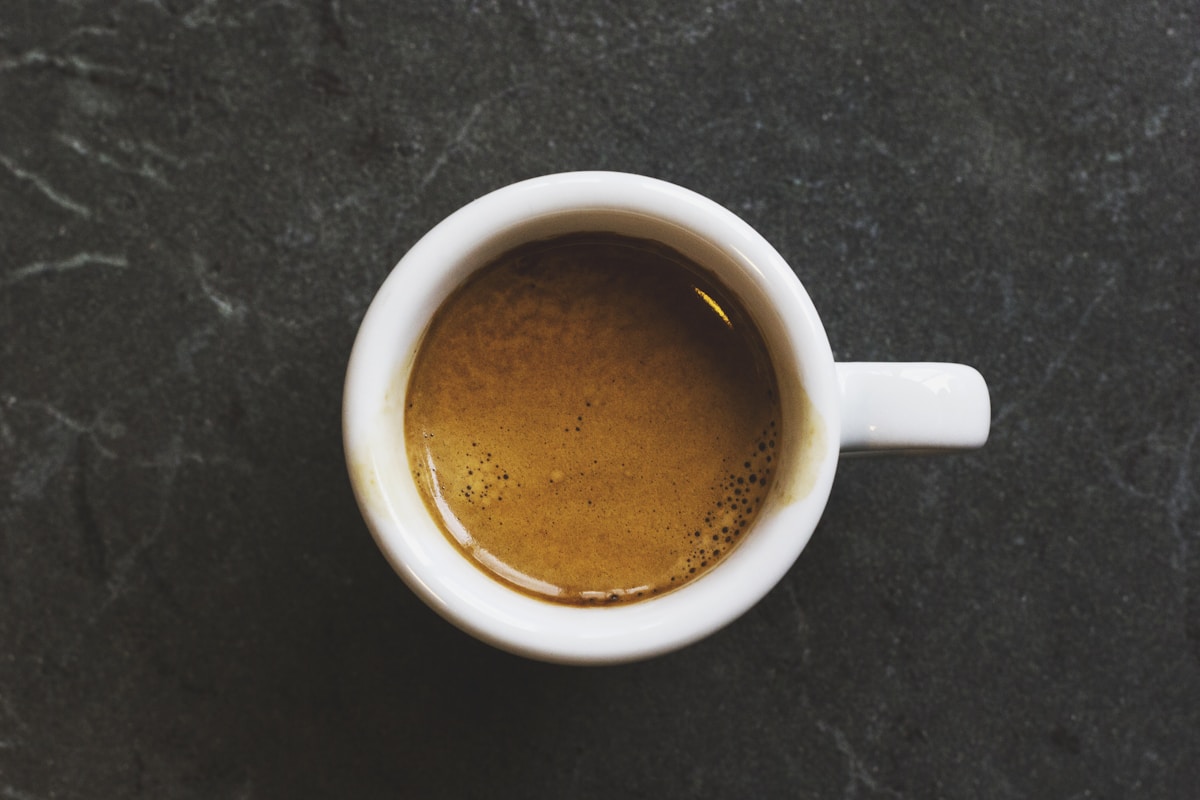
Real espresso requires pressure—9 bars of it, forcing hot water through finely ground coffee in 25-30 seconds. That's what separates espresso machines from...
Real espresso requires pressure—9 bars of it, forcing hot water through finely ground coffee in 25-30 seconds. That's what separates espresso machines from coffee makers, and why good ones cost more.
The home espresso journey ranges from $100 entry-level machines to $3,000+ prosumer setups. The sweet spot for most people is $300-700, where you get genuine espresso quality without barista-level complexity.
Let's find the machine that matches your skills, budget, and caffeine ambitions.
Espresso Machine Types
Manual/Lever Machines
You control pressure manually via lever.
- Best for: Purists, experienced users
- Pros: Ultimate control, beautiful design
- Cons: Steep learning curve, inconsistent results initially
Semi-Automatic
You control grind, tamp, and extraction time; machine handles pressure.
- Best for: Enthusiasts willing to learn
- Pros: Great espresso, skill development, customization
- Cons: Requires practice, more variables to manage
Automatic
Machine controls extraction time; you handle grinding and tamping.
- Best for: Balance of control and convenience
- Pros: More consistent, still customizable
- Cons: Less control than semi-automatic
Super-Automatic
Machine does everything—grinding, tamping, extracting, even milk frothing.
- Best for: Convenience seekers, offices
- Pros: One-touch operation, consistent results
- Cons: Less customization, harder to repair, expensive
Start with semi-automatic if you want to learn the craft. Choose super-automatic if you just want good espresso without the learning curve.
Top Espresso Machines for 2026
Best Overall: Breville Barista Express
All-in-one with built-in grinder.
- Type: Semi-automatic with grinder
- Boiler: Thermocoil
- Features: Built-in burr grinder, PID temperature control, steam wand
- Price: ~$750
The Barista Express includes everything needed to start making espresso. The built-in grinder is decent, and you can upgrade later.
Best Value: Gaggia Classic Pro
Italian heritage, proven performance.
- Type: Semi-automatic
- Boiler: Single boiler, brass
- Features: Commercial-style portafilter, steam wand, solenoid valve
- Price: ~$450
The Classic Pro has been a gateway to serious espresso for decades. Simple, reliable, and highly moddable.
Best Super-Automatic: Philips 3200 LatteGo
Excellent espresso with minimal effort.
- Type: Super-automatic
- Features: 5 drinks, LatteGo milk system, ceramic grinders
- Milk system: Easy-clean LatteGo carafe
- Price: ~$800
The LatteGo milk system is remarkably easy to clean—just two parts, dishwasher safe. Makes consistent lattes and cappuccinos.
Best Budget: Breville Bambino
Compact semi-automatic for beginners.
- Type: Semi-automatic
- Boiler: Thermojet (3-second heat-up)
- Features: Auto milk texturing, compact design
- Price: ~$350
The Bambino heats up in 3 seconds and includes automatic milk texturing for beginners. Requires separate grinder.
Best Prosumer: Breville Dual Boiler
Café-quality at home.
- Type: Semi-automatic
- Boiler: Dual boiler (brew + steam)
- Features: PID control, pre-infusion, shot timer
- Price: ~$1,600
Dual boilers mean you can brew and steam simultaneously without temperature compromise. Serious machine for serious enthusiasts.
Espresso Machine Comparison
| Machine | Type | Grinder | Milk | Price |
|---|---|---|---|---|
| Breville Barista Express | Semi-auto | Built-in | Steam wand | $750 |
| Gaggia Classic Pro | Semi-auto | No | Steam wand | $450 |
| Philips 3200 LatteGo | Super-auto | Built-in | Automatic | $800 |
| Breville Bambino | Semi-auto | No | Auto texture | $350 |
| Breville Dual Boiler | Semi-auto | No | Steam wand | $1,600 |
The Grinder Question
Why Grinder Matters More Than Machine
Espresso requires precise, consistent grind size. A $1,000 machine with a $50 grinder will make worse espresso than a $400 machine with a $300 grinder.
Grinder Recommendations
| Budget | Grinder | Price |
|---|---|---|
| Entry | Baratza Encore ESP | $200 |
| Mid-range | Eureka Mignon Notte | $350 |
| Enthusiast | Niche Zero | $700 |
Built-in vs Separate Grinder
- Built-in (Barista Express): Convenient, space-saving, adequate quality
- Separate: Better grind quality, upgradeable, more counter space needed
Understanding Espresso Basics
What Makes Good Espresso
- Dose: 18-20g of ground coffee
- Yield: 36-40g of espresso (1:2 ratio)
- Time: 25-30 seconds extraction
- Pressure: 9 bars
- Temperature: 195-205°F
Common Beginner Mistakes
- Wrong grind size: Too coarse = sour, watery; too fine = bitter, slow
- Inconsistent tamping: Uneven extraction
- Stale beans: Espresso needs fresh beans (7-21 days from roast)
- Wrong dose: Too little or too much coffee
- Dirty machine: Old coffee oils = bitter taste
The Learning Curve
Expect 2-4 weeks of practice before consistent results. Variables to dial in:
- Grind size (most important)
- Dose amount
- Tamp pressure
- Extraction time
Your first shots will be bad. That's normal. Adjust one variable at a time until you find your sweet spot.
Milk Frothing Options
Steam Wand (Manual)
- Pros: Best microfoam, full control, latte art possible
- Cons: Learning curve, technique required
- Found on: Semi-automatic machines
Automatic Frothing
- Pros: Consistent, easy, no technique needed
- Cons: Less control, harder to do latte art
- Found on: Super-automatic, some semi-automatic
Panarello Wand
- Pros: Easier than traditional steam wand
- Cons: Produces foam, not microfoam
- Found on: Entry-level machines
Maintenance Requirements
Daily
- Purge steam wand after each use
- Wipe portafilter and group head
- Empty drip tray
Weekly
- Backflush with water (machines with solenoid valve)
- Clean steam wand thoroughly
- Wipe exterior
Monthly
- Backflush with cleaning solution
- Descale (frequency depends on water hardness)
- Clean grinder burrs
Choosing the Right Machine
Choose Breville Barista Express If:
- You want all-in-one convenience
- You're new to espresso
- Counter space is limited
- Budget is ~$750
Choose Gaggia Classic Pro If:
- You want to learn traditional espresso
- You'll buy a separate grinder
- You value simplicity and reliability
- You might mod your machine later
Choose Super-Automatic If:
- Convenience is priority
- You don't want to learn technique
- Multiple people will use it
- You want consistent results immediately
Choose Prosumer If:
- You're serious about espresso
- You want café-quality at home
- Budget allows $1,500+
- You'll invest time in learning
Got Questions About Espresso Machines? Let's Clear Things Up.
Can cheap espresso machines make real espresso?
Machines under $200 typically can't generate true 9-bar pressure consistently. They make strong coffee, not espresso. For real espresso, budget at least $300-400 for the machine plus $150-200 for a grinder.
How much should I spend on my first machine?
$500-800 total (machine + grinder) is the sweet spot for beginners. The Breville Bambino ($350) + Baratza Encore ESP ($200) is an excellent starter setup. Or the Barista Express ($750) if you want all-in-one.
Is a super-automatic worth it?
If you value convenience over craft, yes. Super-automatics make good espresso with zero effort. But you sacrifice customization and the satisfaction of mastering the skill. They're also harder to repair.
How long do espresso machines last?
Entry-level: 3-7 years. Mid-range (Gaggia, Breville): 7-15 years. Prosumer: 15-25+ years. Proper maintenance (descaling, cleaning) dramatically extends lifespan.
Do I really need a separate grinder?
For semi-automatic machines without built-in grinders, yes—absolutely. Espresso requires precise grind adjustment that blade grinders and most home grinders can't provide. Budget $150-350 for an espresso-capable grinder.
Home espresso is a rewarding hobby that saves money over café visits. Start with the Breville Bambino or Barista Express to learn the basics, or choose a super-automatic like the Philips 3200 for effortless lattes. For simpler coffee needs, check our coffee maker guide, or explore our blender recommendations for coffee smoothies.
⚡
Take Our Free Electricity Cost Calculator
Answer a few quick questions and get personalized recommendations.
Start Quiz →


Discussion
Sign up or sign in to join the conversation.