
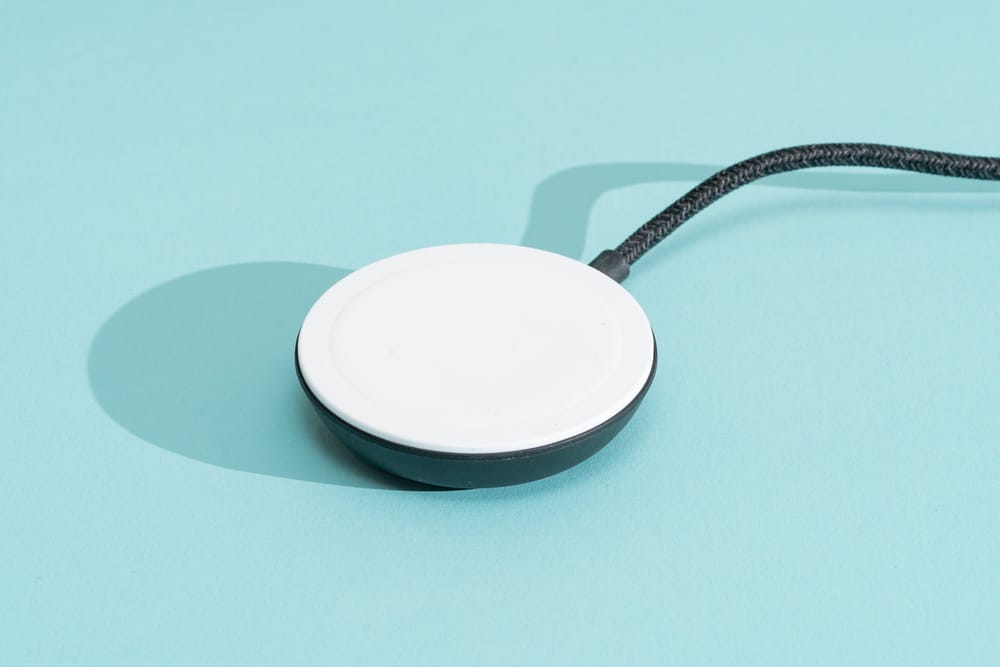

Fumbling with cables in the dark, wearing out charging ports, hunting for the right cord—wireless charging eliminates all of it. Just drop your phone on a...
Fumbling with cables in the dark, wearing out charging ports, hunting for the right cord—wireless charging eliminates all of it. Just drop your phone on a pad and walk away. It's the kind of small convenience that, once you have it, you wonder how you lived without.
But not all wireless chargers are created equal. Some crawl along at 5W while others blast 15W or more. Some work through thick cases while others demand you strip your phone naked. And the difference between a $15 charger and a $50 one isn't always obvious until you're frustrated at 2 AM.
Let's find the wireless charger that actually delivers.
Understanding Wireless Charging Speeds
The Wattage Reality
| Standard | Speed | Typical Charge Time |
|---|---|---|
| Qi Basic | 5W | 4-5 hours (0-100%) |
| Qi Fast | 7.5-10W | 2.5-3 hours |
| Samsung Fast | 15W | 1.5-2 hours |
| MagSafe | 15W | 1.5-2 hours |
| Qi2 | 15W | 1.5-2 hours |
What Your Phone Actually Supports
Your charger is only as fast as your phone allows:
- iPhone 12-16: 15W with MagSafe, 7.5W with standard Qi
- Samsung Galaxy S series: Up to 15W with compatible chargers
- Google Pixel: Up to 12W with Pixel Stand, 7.5W otherwise
- OnePlus: Proprietary fast charging, limited Qi support
A 15W charger won't charge your iPhone faster than 7.5W unless it's MagSafe certified. Check your phone's specs before paying for speed you can't use.
Top Wireless Chargers for 2026
Best Overall: Belkin BoostCharge Pro 3-in-1
Belkin's flagship charges iPhone, Apple Watch, and AirPods simultaneously with MagSafe speeds.
- Output: 15W MagSafe, 5W Watch, 5W AirPods
- Compatibility: iPhone 12+, Apple Watch, AirPods
- Features: MagSafe certified, StandBy mode support
- Price: ~$150
The vertical design enables iPhone StandBy mode, turning your phone into a bedside clock.
Best Value: Anker 315 Wireless Charger
Anker delivers reliable charging at a fraction of premium prices.
- Output: 10W max (7.5W for iPhone)
- Compatibility: All Qi devices
- Features: LED indicator, foreign object detection
- Price: ~$15
It won't win speed contests, but for overnight charging, it's all you need.
Best for Samsung: Samsung 15W Wireless Charger Duo
Optimized for Samsung's fast wireless charging protocol.
- Output: 15W for Samsung, 7.5W for iPhone
- Compatibility: All Qi devices, optimized for Samsung
- Features: Dual charging, fan cooling
- Price: ~$50
The built-in fan prevents thermal throttling during fast charging.
Best MagSafe: Apple MagSafe Charger
The original magnetic wireless charger, still the benchmark for iPhones.
- Output: 15W for iPhone 12+
- Compatibility: iPhone 12 and later, AirPods
- Features: Perfect alignment, animation on attach
- Price: ~$40
Simple, reliable, and guaranteed compatible. Requires a 20W+ adapter (sold separately).
Best for Travel: Mophie 3-in-1 Travel Charger
Folds flat for easy packing while charging multiple devices.
- Output: 15W MagSafe, 5W Watch, 5W AirPods
- Compatibility: Apple ecosystem
- Features: Foldable design, MagSafe certified
- Price: ~$150
The folding design protects charging surfaces during travel.
Best Budget Multi-Device: Anker 533 Wireless Charger
Three-device charging without the premium price.
- Output: 10W phone, 5W watch, 5W earbuds
- Compatibility: Qi devices, Apple Watch
- Features: Adjustable phone angle
- Price: ~$50
Not MagSafe speeds, but charges everything overnight without issues.
Wireless Charger Comparison
| Charger | Max Output | Devices | MagSafe | Price |
|---|---|---|---|---|
| Belkin 3-in-1 | 15W | 3 | Yes | $150 |
| Anker 315 | 10W | 1 | No | $15 |
| Samsung Duo | 15W | 2 | No | $50 |
| Apple MagSafe | 15W | 1 | Yes | $40 |
| Mophie Travel | 15W | 3 | Yes | $150 |
| Anker 533 | 10W | 3 | No | $50 |
MagSafe vs Standard Qi
MagSafe Advantages
- Perfect alignment: Magnets ensure optimal charging position
- Faster iPhone charging: 15W vs 7.5W on standard Qi
- StandBy mode: iOS 17+ feature for MagSafe stands
- Secure attachment: Phone won't slide off
When Standard Qi Makes Sense
- Multi-device household: Works with any Qi phone
- Budget constraints: Significantly cheaper
- Android phones: MagSafe benefits are iPhone-only
- Existing chargers: No need to replace working equipment
Qi2: The Future Standard
Qi2 brings MagSafe-like magnetic alignment to the universal Qi standard. New phones and chargers supporting Qi2 offer:
- 15W charging for compatible devices
- Magnetic alignment without Apple licensing
- Cross-brand compatibility
Placement and Setup Tips
Optimal Charger Location
- Nightstand: Most common, enables overnight charging
- Desk: Keep phone charged during work
- Kitchen counter: Charge while cooking
- Living room: Central location for family use
Case Compatibility
Most wireless chargers work through cases up to 3mm thick. Issues arise with:
- Metal cases or plates (block charging completely)
- Very thick rugged cases
- Cases with built-in kickstands
- Wallet cases with cards
MagSafe chargers work best with MagSafe-compatible cases that have built-in magnets.
Avoiding Common Problems
- Misalignment: Use MagSafe or chargers with alignment guides
- Overheating: Remove thick cases, ensure ventilation
- Slow charging: Use adequate power adapter (20W+ recommended)
- Foreign objects: Remove coins, keys, cards from charging area
Power Adapter Requirements
What's Usually Included
Most wireless chargers include only the charging pad and cable—no power adapter. You'll need:
| Charger Speed | Minimum Adapter |
|---|---|
| 5W | 10W (5V/2A) |
| 7.5W | 18W |
| 10W | 18W |
| 15W | 20W+ |
Recommended Adapters
- Apple 20W USB-C: Compact, reliable
- Anker Nano: Tiny form factor
- Samsung 25W: Good for Samsung fast charging
Using an underpowered adapter results in slower charging than advertised.
Got Questions About Wireless Chargers? Let's Clear Things Up.
Is wireless charging bad for battery health?
Not significantly. Modern phones manage charging intelligently regardless of method. Wireless charging generates slightly more heat, which can affect long-term battery health marginally. For most users, the convenience outweighs any minimal impact.
Can I use my phone while it's wirelessly charging?
Yes, but it may charge slower or disconnect if you lift it. MagSafe chargers stay attached during light use. For heavy use while charging, wired charging is more practical.
Why does my phone get hot during wireless charging?
Heat is normal—wireless charging is less efficient than wired, and excess energy becomes heat. Excessive heat (uncomfortable to touch) indicates a problem: misalignment, thick case, or defective charger. Remove the case and ensure proper alignment.
Do wireless chargers work through PopSockets?
Standard PopSockets block wireless charging. MagSafe-compatible PopSockets work with MagSafe chargers. Some flat wireless chargers work with PopSockets if the phone is positioned carefully.
Is it worth upgrading from a 5W to 15W charger?
For overnight charging, probably not—your phone charges fully either way. For desk charging where you grab your phone frequently, faster charging means more usable battery when you need it. Consider your usage patterns.
Wireless charging adds genuine convenience to daily life. Start with the Anker 315 for budget-friendly reliability, or invest in the Belkin 3-in-1 for a complete Apple charging solution. For more charging solutions, check our guide on charging stations for multiple devices.




Discussion
Sign up or sign in to join the conversation.