
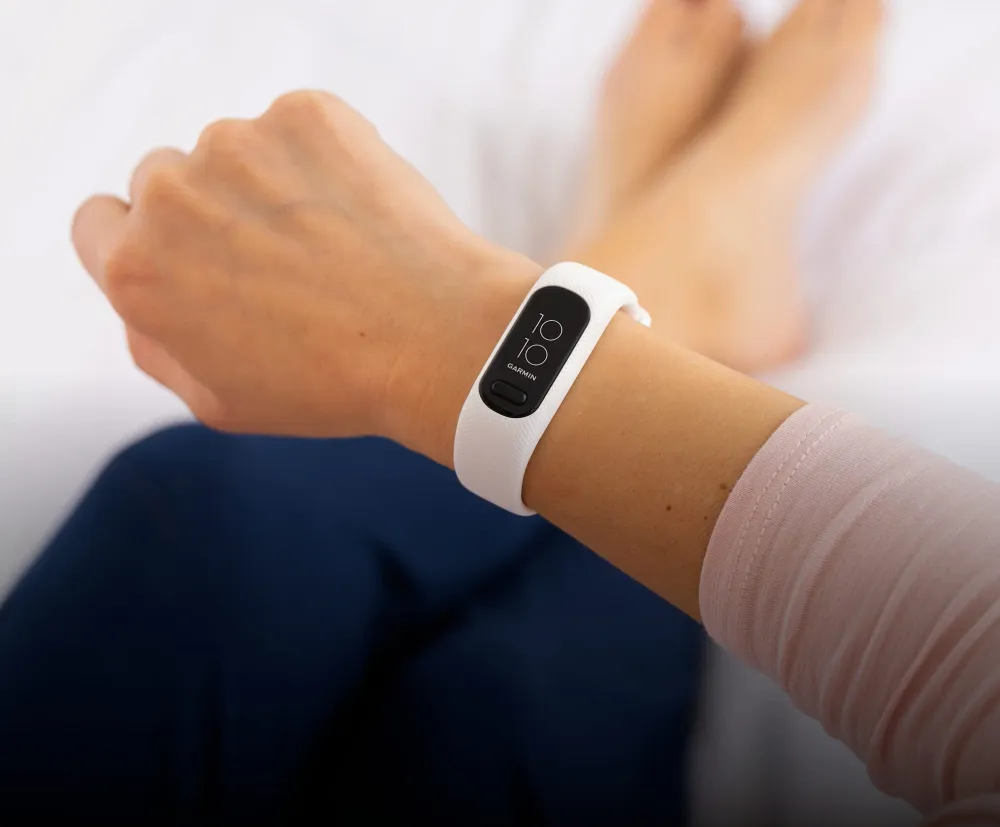

Not everyone needs a full smartwatch. If you want to track steps, monitor sleep, and check your heart rate without notifications, apps, and daily charging,...
Not everyone needs a full smartwatch. If you want to track steps, monitor sleep, and check your heart rate without notifications, apps, and daily charging, a fitness tracker is the answer.
Modern fitness trackers pack impressive health monitoring into slim, lightweight bands that last a week or more on a single charge. They're simpler, cheaper, and often more comfortable than smartwatches—perfect for people who want health data without the distractions.
Let's find the tracker that fits your fitness goals.
Fitness Tracker vs Smartwatch
Choose a Fitness Tracker If:
- Health tracking is your primary goal
- You want week-long battery life
- Notifications aren't important
- You prefer a slim, lightweight design
- Budget is a concern
Choose a Smartwatch If:
- You want apps and full notifications
- GPS without phone is important
- You'll use smart features daily
- Battery life isn't a priority
- Budget allows $250+
| Feature | Fitness Tracker | Smartwatch |
|---|---|---|
| Battery Life | 5-14 days | 1-2 days |
| Health Tracking | Excellent | Excellent |
| Notifications | Basic | Full |
| Apps | None/Limited | Full |
| GPS | Usually phone-required | Often built-in |
| Price | $50-150 | $200-800 |
Fitness trackers excel at what they do—tracking fitness. If that's your focus, don't overpay for smart features you won't use.
Top Fitness Trackers for 2026
Best Overall: Fitbit Charge 6
The Charge 6 packs smartwatch-level health features into a tracker form factor.
- Health: Heart rate, SpO2, stress, sleep stages
- Fitness: Built-in GPS, 40+ exercise modes
- Battery: 7 days
- Price: ~$160
Google integration adds Maps and Wallet. The best balance of features and simplicity.
Best Value: Xiaomi Smart Band 8
Incredible features at an unbelievable price.
- Health: Heart rate, SpO2, sleep, stress
- Fitness: 150+ workout modes
- Battery: 16 days
- Price: ~$50
It lacks GPS but covers everything else at a third of competitor prices.
Best for Sleep: Fitbit Inspire 3
Slim, comfortable design perfect for 24/7 wear.
- Health: Heart rate, SpO2, sleep stages, skin temp
- Fitness: 20+ exercise modes
- Battery: 10 days
- Price: ~$100
The slim profile doesn't disturb sleep, and Fitbit's sleep tracking is industry-leading.
Best for Swimmers: Garmin Swim 2
Purpose-built for pool and open water swimming.
- Health: Heart rate (underwater), advanced swim metrics
- Fitness: Stroke detection, SWOLF, drill logging
- Battery: 7 days (smartwatch mode)
- Price: ~$250
The only tracker with underwater heart rate and comprehensive swim analytics.
Best Budget: Amazfit Band 7
Feature-packed at an entry-level price.
- Health: Heart rate, SpO2, sleep, stress
- Fitness: 120+ sports modes
- Battery: 18 days
- Price: ~$50
Similar to Xiaomi with a larger display and longer battery.
Fitness Tracker Comparison
| Tracker | GPS | Battery | Water | Price |
|---|---|---|---|---|
| Fitbit Charge 6 | Built-in | 7 days | 50m | $160 |
| Xiaomi Band 8 | Phone | 16 days | 50m | $50 |
| Fitbit Inspire 3 | Phone | 10 days | 50m | $100 |
| Garmin Swim 2 | Built-in | 7 days | 50m | $250 |
| Amazfit Band 7 | Phone | 18 days | 50m | $50 |
Key Health Metrics Explained
Heart Rate Monitoring
Continuous heart rate tracking reveals:
- Resting heart rate: Lower is generally healthier
- Heart rate zones: Optimize workout intensity
- Heart rate variability: Stress and recovery indicator
- Irregular rhythm: Some trackers detect AFib
Sleep Tracking
Modern trackers analyze sleep stages:
- Light sleep: Body relaxes, easy to wake
- Deep sleep: Physical recovery, hardest to wake
- REM sleep: Mental recovery, dreaming
- Awake time: Interruptions during night
For dedicated sleep tracking, see our sleep tracker guide.
Blood Oxygen (SpO2)
Measures oxygen saturation in blood:
- Normal: 95-100%
- Concerning: Below 90%
- Use: Sleep apnea detection, altitude acclimatization
Stress Monitoring
Uses heart rate variability to estimate stress:
- Low stress: Relaxed, recovered
- High stress: Tense, needs recovery
- Guided breathing: Many trackers offer relaxation exercises
Choosing the Right Features
Essential Features (All Trackers)
- Step counting
- Heart rate monitoring
- Sleep tracking
- Smartphone notifications
- Water resistance
Nice-to-Have Features
- Built-in GPS (for phone-free runs)
- SpO2 monitoring
- Stress tracking
- Menstrual cycle tracking
- Contactless payments
Features You Might Not Need
- Always-on display (kills battery)
- Music storage (use your phone)
- Voice assistant (limited on trackers)
Accuracy Considerations
What Trackers Do Well
- Step counting: Generally accurate (±5%)
- Heart rate (rest): Very accurate
- Sleep duration: Reasonably accurate
What Trackers Struggle With
- Heart rate (exercise): Can lag or miss spikes
- Calorie burn: Estimates vary widely
- Sleep stages: Less accurate than lab studies
- Stress: Indirect measurement, variable accuracy
Use tracker data for trends and motivation, not medical diagnosis. Consistent tracking over time is more valuable than absolute accuracy.
Got Questions About Fitness Trackers? Let's Clear Things Up.
How accurate are fitness tracker step counts?
Generally within 5-10% of actual steps. Wrist-based trackers can over-count during activities like cooking or driving. For most purposes, the count is accurate enough to track trends and meet goals.
Do I need built-in GPS?
Only if you run or cycle without your phone. Phone-connected GPS works fine and saves battery. Built-in GPS adds convenience but increases price and reduces battery life.
Can fitness trackers detect health problems?
Some trackers can detect irregular heart rhythms (AFib) and have received FDA clearance. However, they're not medical devices. Abnormal readings warrant a doctor visit, not panic.
How long do fitness trackers last?
Hardware typically lasts 2-4 years. Battery capacity degrades over time. Software support varies—Fitbit and Garmin support devices longer than budget brands.
Should I wear my tracker 24/7?
For complete data, yes. Sleep tracking requires overnight wear. However, giving your wrist a break during charging is fine. Most trackers charge in 1-2 hours.
A fitness tracker provides valuable health insights without smartwatch complexity. Start with the Xiaomi Smart Band 8 for incredible value, or the Fitbit Charge 6 for the most complete feature set. For more advanced needs, explore our smartwatch guide.


Discussion
Sign up or sign in to join the conversation.